
The Scams to Watch Now: Protecting Your Family and Your Business

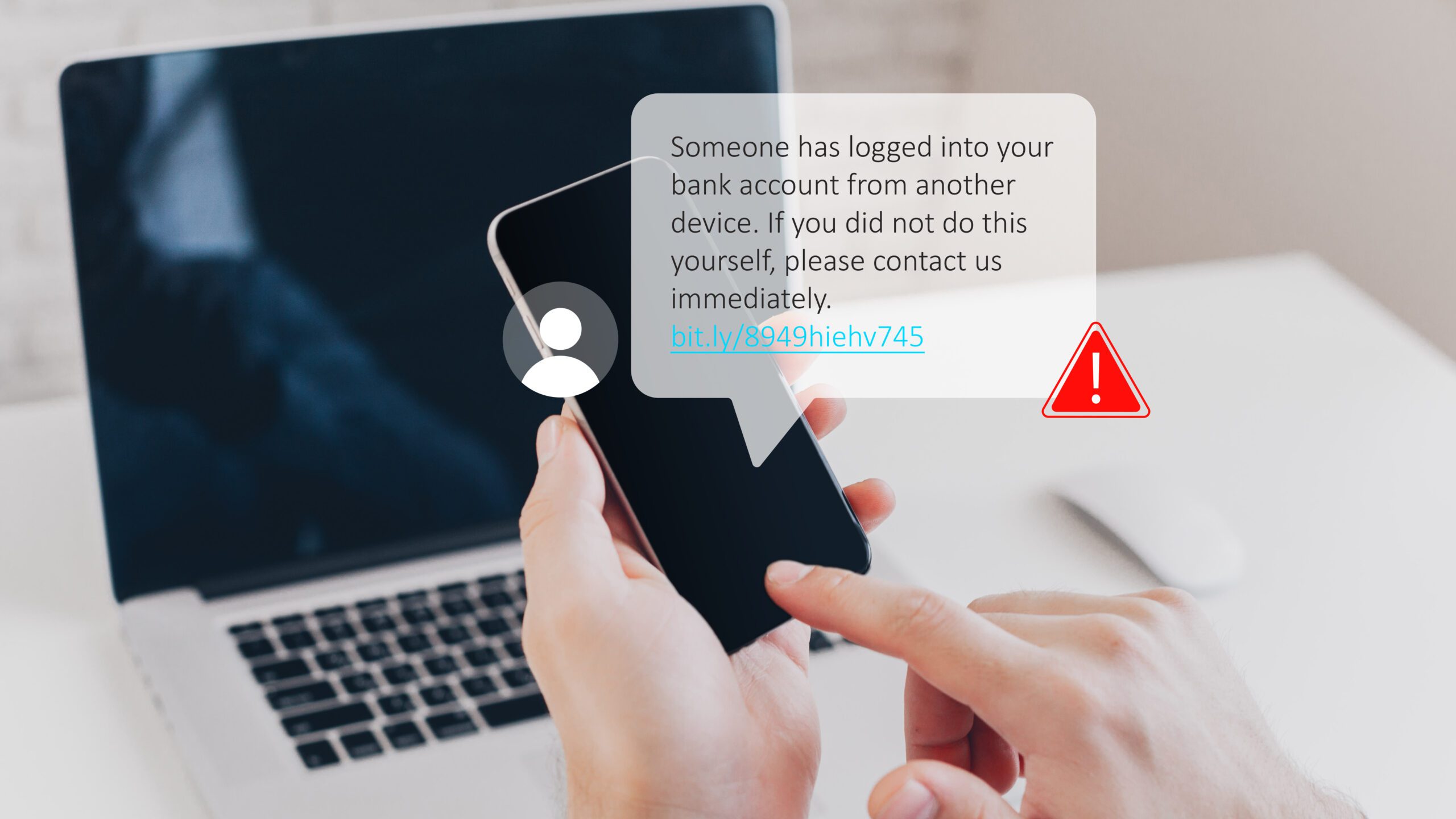
A text from your bank. An invoice from a longtime vendor. A call that sounds like someone you know. Fraud often arrives in the middle of an ordinary day, asking you to handle something quickly before moving on.
Recent reporting shows how expensive those moments can become. In June, the Federal Trade Commission reported $3.5 billion in losses to impersonation scams during 2025. The FBI’s latest annual report puts business email compromise losses above $3 billion.
For individuals and business owners, recognizing the request behind the story can help: someone wants your money, account access or sensitive information. Here are several schemes worth watching, along with practical ways to protect yourself.
1. Fake bank alerts that put your savings at risk
An unexpected message says someone has accessed your account. A caller offers to help, explains that your money is in danger and instructs you to transfer it to a “safe” account.
The FTC identified fake security alerts, often impersonating banks, among the starting points for particularly costly scams. The person offering protection is directing the theft.
What to do: End the conversation and contact your bank using the number on your card or through its official app. Avoid links and phone numbers supplied in the message. Never share a login code with someone who contacts you unexpectedly.
Talk through this scenario with family members, especially anyone who might feel pressured by a convincing fraud warning. Having a trusted person to call before transferring money creates another opportunity to catch the deception.
2. AI impersonation that sounds familiar
Recognizing a voice can feel reassuring. Criminals are taking advantage of that familiarity.
In September, Reuters reported an AI impersonation scheme targeting Italy’s Intesa Sanpaolo banking group. According to sources cited in the report, fraudsters used messages impersonating an executive and a call replicating a lawyer’s voice to trigger overseas transfers.
For a smaller business, a similar request could appear to come from the owner asking an employee to pay an urgent expense. At home, someone might impersonate a relative needing emergency assistance.
What to do: Verify unusual requests through an established contact method. Call the person using a saved number. Businesses should require a second approval for significant payments, including requests from leadership. Give employees explicit permission to pause and verify, even when a request sounds urgent or confidential.
3. Vendor invoices and payment changes that redirect cash
A supplier emails new banking instructions just before an invoice comes due. The message includes familiar names and details from a real project, making the change seem routine.
Business email compromise can involve a hacked account or an address designed to resemble a legitimate one. The FBI’s 2025 Internet Crime Report recorded approximately $3.05 billion in reported losses from these schemes.
What to do: Confirm every change to payment instructions by calling a previously verified contact. Use the number already in your records. Replying to the same email thread provides little protection if that account is compromised.
Separate responsibility for updating vendor banking information from approving payments whenever staffing allows. Apply similar verification to employee direct deposit changes. During vacations and busy periods, document who can approve transactions so a substitute employee has clear instructions.
Mapping out your payment process can also help clarify who updates vendor information, verifies changes and approves payments. CJBS’s Ryan Guedel explains how to get started in his article on using flowcharts to improve business operations.
4. Investment opportunities built around a relationship
An online acquaintance mentions an investment that has worked well for them. Over time, they introduce a platform showing attractive returns and encourage larger deposits.
In a recent warning about digital asset investment scams, the Treasury Department’s Financial Crimes Enforcement Network described criminals posing as romantic partners, friends and business contacts. Fake websites and apps can imitate legitimate investment services.
Investment fraud generated approximately $8.65 billion in reported losses in the FBI’s latest annual report, making it the largest cyber-enabled fraud category by reported dollars lost.
What to do: Research an investment independently before transferring money. Bring an established financial advisor into the conversation. Treat guaranteed returns, secrecy and pressure to act quickly as warning signs.
If a platform demands another deposit to release your money, stop sending funds and contact your financial institution. A convincing dashboard does not establish that an investment exists.
5. Check fraud hiding in ordinary bill payments
Paper checks continue to expose households and businesses to theft. Criminals can steal mailed checks, alter the payee or amount, or use account information to create counterfeits.
In April, WDRB reported on check washing affecting businesses in southern Indiana, including a pool business whose nearly $30,000 check cleared to the wrong recipient. The Federal Reserve’s 2026 Risk Officer Report coverage also highlighted continuing check fraud pressures.
What to do: Review cleared check images and account activity promptly. Consider verified electronic payment options, while keeping the same safeguards for confirming recipients.
Businesses should ask their bank about Positive Pay, including payee verification where available. These services compare presented checks against issued-check information and flag discrepancies. Confirm who reviews exceptions and how quickly decisions must be made.
6. IRS impersonators and questionable tax promises
Tax scams can begin with a threatening call, a refund text or a social media post promising a credit you have never heard of.
The IRS’s 2026 Dirty Dozen announcement flagged impersonation, misleading online tax advice and fabricated refund claims. The agency added abusive claims involving Form 2439, which concerns taxes paid on certain undistributed capital gains.
What to do: Contact your CJBS advisor before responding to an unexpected tax demand or pursuing a promoted tax strategy. The IRS generally initiates contact by mail and does not call demanding immediate payment or threatening arrest.
Be cautious when a promoter promises a large refund without reviewing your circumstances. Never sign a blank return, and review the completed return before authorizing filing. A questionable claim can create problems long after the promoter collects a fee.
Make verification part of the routine
Start with a short review of how money leaves your household or business. Who can initiate a transfer? Who confirms the recipient? How would you spot a payment that went somewhere unexpected?
For businesses, walk through a recent vendor payment with the employees involved. Look for places where one person could change banking details and release funds without another review. Establish a backup approver before someone takes time off. A written process helps employees handle an unusual request with confidence.
At home, turn on transaction alerts and use unique passwords with multi-factor authentication for financial and email accounts. Discuss a simple family rule: an unexpected request for money gets an independent callback before anyone acts.
Revisit these habits when you change banks, hire employees or begin working with a new vendor. Save verified contact information somewhere accessible. When a suspicious message arrives during a busy afternoon, having that information ready makes checking easier. Practice the callback process before a real request creates pressure to rush through it.
If something happens, move quickly
Even careful people can be deceived. If you suspect fraud, contact your bank or payment provider immediately and ask whether the transaction can be stopped or reversed. Preserve emails, payment details and screenshots. Report internet-enabled crime to IC3 and consumer scams to ReportFraud.ftc.gov.
Be alert to follow-up offers, too. The FTC warned this year about impersonators offering to recover previous scam losses, sometimes using fake employee identification. Paying a recovery fee can compound the original loss.
At work, encourage employees to report suspicious activity immediately, including mistakes. A clear response process helps the business act while options may still be available.
Your CJBS advisor can help you evaluate financial controls, review unusual tax communications and address accounting or tax questions following a loss. Reach out whenever a request involving your finances gives you pause. Taking a few minutes to check can protect years of hard work.
More News & Insights